
Unexpected Home Appliance Repair Loans for Urgent Fixes
Unexpected home appliance repair loans for urgent fixes can cover a broken fridge or washer fast. Compare offers and get funding without draining savings.

By Liam Torres
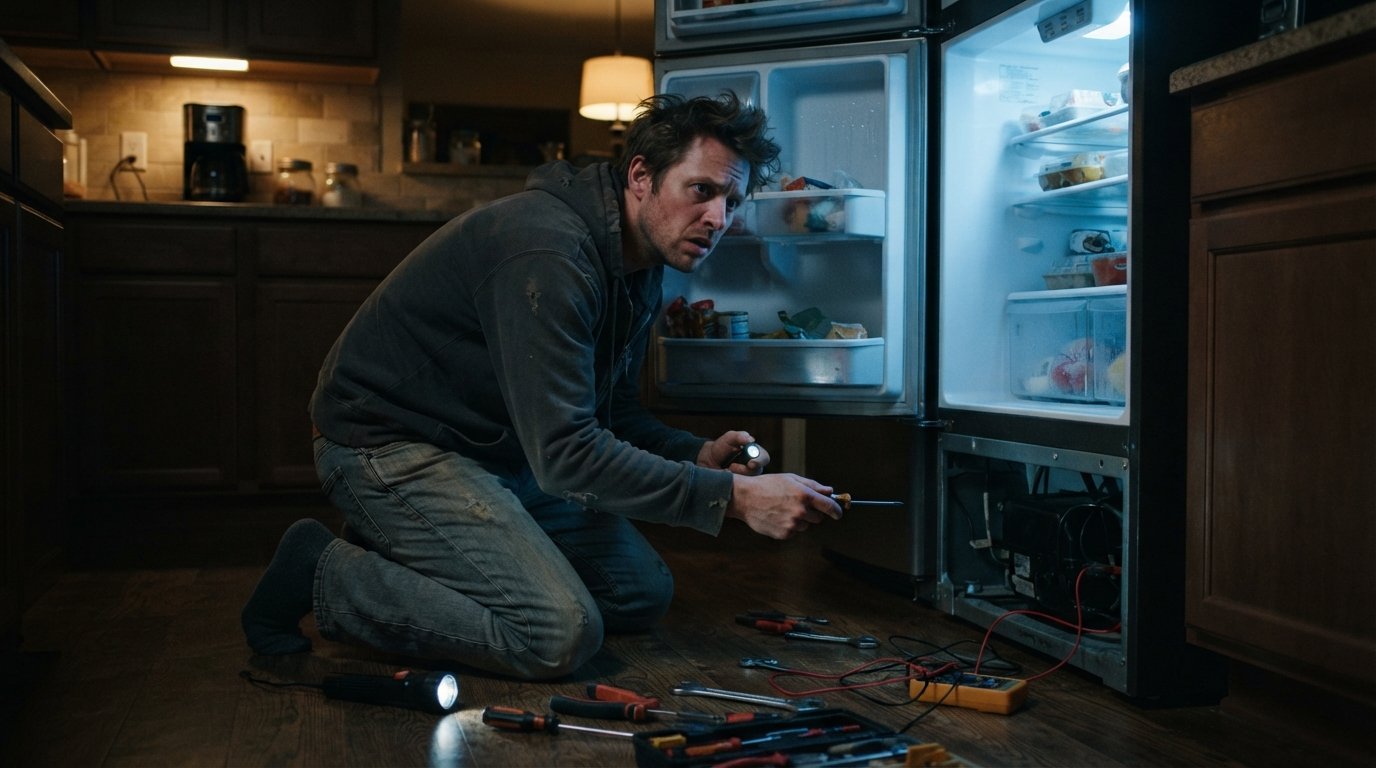
Your refrigerator stops cooling on a Friday night. The washing machine floods the laundry room. The oven dies right before a holiday dinner. These moments are not just inconvenient: they are expensive, and they always seem to arrive at the worst possible time. When an essential appliance breaks down, you face a difficult choice between paying for a repair you did not budget for or going without a machine your household depends on every single day. That is exactly where unexpected home appliance repair loans for urgent fixes come into the picture, giving you a practical way to cover the cost quickly without draining your savings or maxing out a credit card.
Home appliance failures are one of the most common emergency expenses in the United States. According to industry data, the average cost to repair a major appliance ranges from $150 to $600, and full replacements can run well over $1,000. When you add diagnostic fees, parts, and labor, a single broken appliance can wipe out a modest emergency fund. For households already living paycheck to paycheck, that kind of surprise can feel impossible to absorb. Understanding how repair loans work, when they make sense, and how to find the best option is the first step toward getting your home back to normal.
Why Appliance Breakdowns Create Financial Pressure
Unlike a leaky faucet or a squeaky door, a broken appliance often demands immediate attention. You cannot postpone a refrigerator repair for a month while you save up cash, because food spoils within hours. A broken water heater means cold showers for the entire family. A failed washer forces you to choose between expensive laundromat trips and letting dirty clothes pile up. These are not luxuries: they are essential tools that keep a household running, and their failure creates a chain reaction of costs and stress.
What makes appliance repairs especially frustrating is their unpredictability. You can maintain your appliances carefully and still face a sudden breakdown due to a manufacturing defect, a power surge, or simple wear and tear. Most homeowners and renters do not set aside a dedicated appliance repair fund because the expense feels abstract until it happens. When it does happen, the bill arrives with no warning and no room for negotiation.
Consider the range of costs you might face when a major appliance fails:
- Refrigerator repair or replacement: $200 to $2,000 depending on the issue and model
- Washing machine repair: $150 to $600, with replacement costs exceeding $1,000
- Water heater repair or replacement: $300 to $1,500
- Oven or stove repair: $150 to $500
- Dishwasher repair: $150 to $400
- HVAC system repair: $300 to $1,500 or more
These numbers add up quickly, and they rarely come alone. A failing washing machine might also require plumbing repairs. A broken refrigerator might force you to replace hundreds of dollars in spoiled food. The true cost of an appliance emergency often exceeds the initial repair quote, which is why having a financial backup plan matters so much.
For households with less-than-perfect credit, the challenge is even greater. Traditional bank loans can be difficult to qualify for, and credit cards may already be near their limits. This is where alternative lending options, including online loan connection services, become valuable. They offer a way to access funds quickly without the strict credit requirements of conventional lenders.
What Are Unexpected Home Appliance Repair Loans for Urgent Fixes?
Unexpected home appliance repair loans for urgent fixes are short-term financing solutions designed specifically to cover the cost of repairing or replacing essential household appliances. These loans are typically smaller in amount than a full home improvement loan, ranging from $100 to $5,000, and they are structured to provide fast funding when you need it most. The goal is simple: give you access to cash quickly so you can schedule a repair, order a replacement, or pay a technician without delay.
These loans come in several forms, each with its own terms, repayment structure, and eligibility requirements. Understanding the differences helps you choose the option that best fits your situation.
Payday Loans
Payday loans are short-term, high-interest loans typically due on your next payday. They are fast to obtain and require minimal documentation, but they come with significant risks. The annual percentage rate (APR) on payday loans can exceed 400 percent, and rolling over a payday loan can trap you in a cycle of debt. These loans are best reserved for truly dire situations where no other option exists, and they should be repaid as quickly as possible.
Personal Installment Loans
Installment loans allow you to borrow a lump sum and repay it over a set period, usually in monthly payments. These loans typically have lower interest rates than payday loans and more predictable repayment schedules. For appliance repairs costing several hundred to a few thousand dollars, an installment loan can be a more manageable option. Terms may range from a few months to a few years, depending on the lender and the amount borrowed.
Cash Advances
A cash advance is a short-term loan, often provided by credit card issuers or online lenders, that gives you immediate access to cash. While convenient, cash advances often come with higher interest rates and fees than standard purchases. They can be useful for very short-term needs, but they are not ideal for larger repair bills that may take months to pay off.
When you use a loan connection service like LendersCashLoan, you submit a single request and can receive offers from multiple third-party lenders. This saves you the time and effort of applying to each lender individually, and it increases your chances of finding a loan that matches your needs and credit profile. The platform is not a direct lender, meaning it does not make credit decisions or fund loans itself. Instead, it connects you with lenders who may offer you a loan based on your information.
One of the advantages of using an online loan connection service is speed. The application process typically takes less than five minutes, and if approved, funds can be deposited directly into your bank account, sometimes as soon as the next business day. This speed is critical when you are facing an appliance emergency and need to act quickly.
How to Get an Appliance Repair Loan: A Step-by-Step Guide
Securing a loan for an urgent appliance repair does not have to be complicated. By following a clear process, you can move from crisis to solution in a matter of hours. Here is how to approach it.
- Assess the repair cost and urgency. Before you apply for any loan, get a clear estimate of what the repair or replacement will cost. If the appliance is still under warranty or you have a home warranty plan, check whether the repair is covered. Knowing the exact amount you need prevents you from borrowing more than necessary.
- Review your budget and repayment capacity. Determine how much you can realistically afford to repay each month. Consider your income, existing obligations, and any upcoming expenses. Borrowing more than you can comfortably repay can lead to financial strain and damage your credit score.
- Gather your documents. Most lenders require proof of income, a valid ID, and a bank account. Having these ready before you apply can speed up the process significantly.
- Submit a single request through a loan connection service. Instead of applying to multiple lenders one by one, use a service like LendersCashLoan to submit one request and receive multiple offers. This saves time and helps you compare options side by side.
- Compare offers carefully. Look at the APR, repayment terms, fees, and total cost of each loan. Do not simply choose the first offer you receive. The best loan is the one that fits your budget and has the lowest overall cost.
- Accept the offer and receive funds. Once you choose a lender, complete any final paperwork and provide your bank account details. Funds are typically deposited within one to two business days.
After you receive the funds, schedule the repair or purchase the replacement appliance promptly. Keep all receipts and documentation related to the loan and the repair. This will help you track your spending and ensure you can provide proof of use if required.
It is also wise to set up a repayment plan before you receive the funds. Knowing exactly when each payment is due and how much it will be prevents missed payments and late fees. If your financial situation changes, contact your lender immediately to discuss options. Many lenders are willing to work with borrowers who communicate proactively.
How to Qualify for an Appliance Repair Loan with Bad Credit
One of the biggest concerns for many borrowers is credit score. If your credit is less than perfect, you might worry that you will not qualify for any loan. The good news is that many online lenders and loan connection services work with borrowers who have bad credit, repossession history, or even bankruptcy on their record. The key is understanding what lenders look for and how to present yourself as a strong candidate.
Most short-term lenders focus on your ability to repay rather than your credit score alone. They typically look at your income, employment status, and banking history. If you can demonstrate a steady source of income and a valid bank account, you may qualify for a loan even with a low credit score.
Here are the common requirements for appliance repair loans:
- You must be at least 18 years old
- You must be a U.S. citizen or legal resident
- You must have a regular source of income (employment, benefits, or self-employment)
- You must have an active checking or savings account
- You must provide a valid phone number and email address
Some lenders may also require a minimum monthly income, such as $1,000 or more, but this varies. The application process is usually simple and can be completed entirely online. You do not need to visit a physical location or submit extensive paperwork.
If you are concerned about your credit, consider taking steps to improve your application before you apply. For example, you can gather recent pay stubs, ensure your bank account is in good standing, and have a clear explanation ready if a lender asks about past credit issues. Being honest and transparent can work in your favor.
It is also important to borrow responsibly. Just because you qualify for a loan does not mean you should borrow more than you need. Take only what is necessary to cover the repair, and make a plan to repay it on time. Responsible borrowing helps you build a positive financial track record and avoid the trap of accumulating debt.
Alternatives to Consider Before Taking Out a Loan
While unexpected home appliance repair loans for urgent fixes can be a lifesaver, they are not the only option. Before you commit to borrowing, explore these alternatives to see if one might work better for your situation.
Manufacturer warranty or extended warranty: If your appliance is still under warranty, the repair may be covered at no cost to you. Check your warranty documents and contact the manufacturer or retailer. Even if the warranty has expired, some companies offer goodwill repairs or discounts on parts.
Home warranty plan: If you have a home warranty plan, it may cover appliance repairs for a service fee. Review your policy to see what is included and how to file a claim. Keep in mind that home warranty plans often have coverage limits and may exclude certain types of damage.
Credit card with 0 percent APR: If you have a credit card with a 0 percent introductory APR on purchases, you could use it to pay for the repair and pay it off interest-free during the promotional period. This works best if you can repay the balance before the promotional period ends.
Payment plans from the repair company: Some appliance repair companies offer financing or payment plans. Ask the technician or customer service representative whether this is an option. These plans may have lower interest rates than payday loans, though terms vary.
Borrowing from family or friends: If you have a trusted family member or friend who can lend you the money, this can be a low-cost or no-cost option. However, borrowing from loved ones can strain relationships if repayment becomes difficult, so be clear about terms and expectations upfront.
If none of these alternatives are viable, an online loan connection service can provide a fast, accessible solution. By comparing offers from multiple lenders, you can find a loan that fits your budget and credit profile. For a broader look at emergency financing options for home-related expenses, see our guide on emergency cash loans for home expenses.
For those who want to explore personalized loan offers from a network of third-party lenders, consider comparing loan options with FreeQuotes.Loans. This can be especially helpful when you need to act quickly and want to see multiple offers in one place.
Choosing the Right Lender and Avoiding Common Pitfalls
Not all lenders are created equal. When you are searching for a loan to cover an appliance repair, it is important to choose a reputable lender and avoid common pitfalls that can turn a short-term solution into a long-term problem.
Start by researching the lender's reputation. Look for reviews, check whether the lender is licensed in your state, and read the fine print of any loan agreement. Legitimate lenders will be transparent about interest rates, fees, and repayment terms. If a lender is vague or evasive, that is a red flag.
Avoid lenders that pressure you to borrow more than you need or that promise guaranteed approval without checking your information. These are often signs of predatory lending practices. Also, be wary of any lender that asks for upfront fees before disbursing funds. Reputable lenders do not charge fees before you receive your loan.
When you receive loan offers, compare them carefully. Look at the APR, which includes both the interest rate and any fees. A loan with a lower interest rate but high fees may cost more than a loan with a slightly higher interest rate and no fees. Also, consider the repayment term. A longer term means lower monthly payments but more interest paid over time. A shorter term means higher monthly payments but less total cost.
Finally, read the loan agreement in full before signing. Make sure you understand all terms and conditions, including late payment penalties and prepayment options. If you have questions, ask the lender for clarification. A reputable lender will be happy to explain.
Building a Financial Safety Net for Future Appliance Emergencies
Once you have handled your current appliance emergency, it is worth taking steps to prepare for future ones. A small emergency fund can make a world of difference. Even setting aside $20 or $30 per month can add up over time and reduce your reliance on loans.
Consider opening a dedicated savings account for home emergencies. Automate a small transfer from each paycheck so you do not have to think about it. Over a year, you could accumulate several hundred dollars, enough to cover many common appliance repairs.
You can also extend the life of your appliances through regular maintenance. Clean lint traps, vacuum refrigerator coils, and schedule annual inspections for major systems. These simple steps can prevent breakdowns and save you money in the long run.
Finally, keep a list of emergency resources, including loan connection services, repair companies, and warranty providers. Knowing where to turn when something goes wrong can reduce stress and help you act quickly. Unexpected home appliance repair loans for urgent fixes are a valuable tool, but they work best when combined with preparation and responsible financial habits.
When an appliance fails, you do not have to face the repair bill alone. By understanding your options, comparing offers, and borrowing responsibly, you can get the funds you need without derailing your financial stability. Whether you choose a short-term loan, a payment plan, or another solution, the key is to act quickly, stay informed, and make a plan to repay what you borrow.